
Monsoon Roof Damage: What Tucson Homeowners Need to Know
Understanding Tucson's Monsoon Season
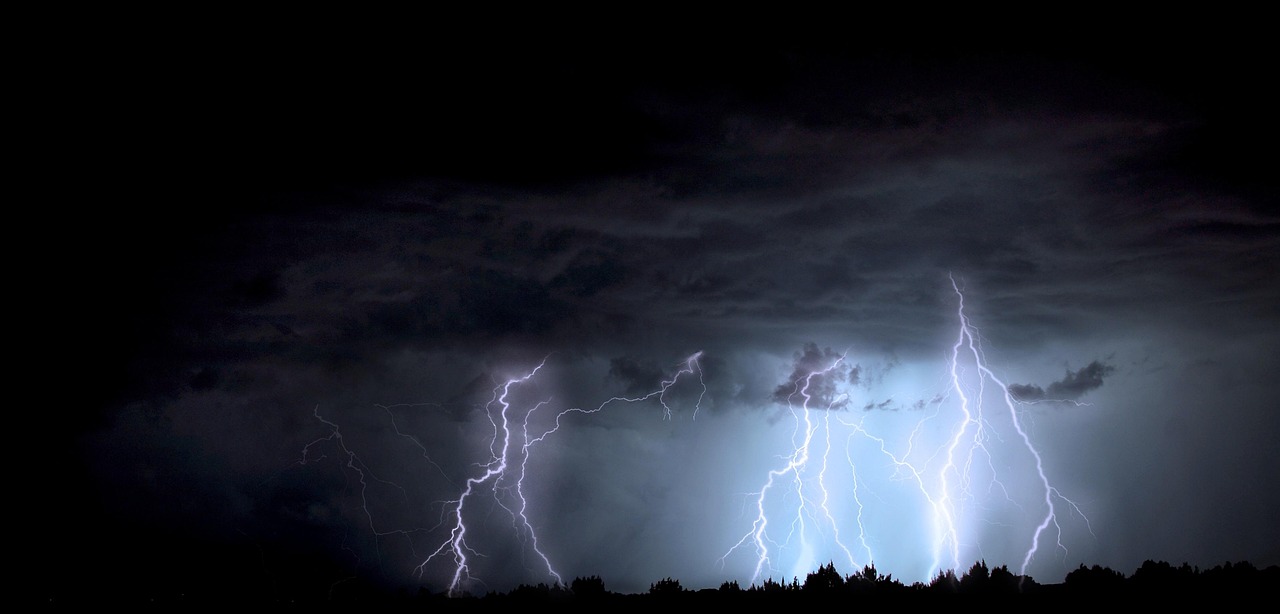
Monsoon season is predictable but intense. Winds come from the south and east. They can reach 60-80 miles per hour. Rain is heavy and sudden - inches can fall in 30 minutes. The rain is often wind-driven, hitting roofs and walls sideways. Hail is less common but happens. Multiple storms occur throughout the season. The first big storm might hit in June. By September, several storms have passed. Each storm is an opportunity for roof damage. Understanding this cycle helps homeowners prepare.
Types of Monsoon Damage to Roofs
Wind damage is most common. Shingles are lifted and torn. Tiles slip or break. Flashing pulls away. Fasteners fail. The damage might be isolated (a few shingles) or widespread (an entire section). Rain damage happens when wind-driven rain gets under shingles or through gaps in flashing. Hail damage dents and cracks shingles and can crack tiles. The damage might not be obvious immediately. Small dents become bigger problems as sun bakes the shingles.
Pre-Monsoon Roof Preparation Checklist
Start preparing in May - before the storms arrive. First, schedule a professional roof maintenance inspection. A licensed roofer spots vulnerabilities you cannot see from the ground: missing or loose shingles, cracked flashing, damaged tiles, clogged gutters. Our leak detection service finds hidden moisture intrusion before monsoon turns a small problem into a major repair. Clear gutters and downspouts, reseal roof penetrations, and trim overhanging branches. A $300 inspection now can prevent a $10,000 repair in July.
Immediate Response to Storm Damage
If a severe monsoon hits and you suspect roof damage, prioritize safety. Do not climb on a wet roof. Document everything with photos and video. Photograph water stains on interior ceilings immediately. Then call Clean Touch Roofing for a post-storm inspection - we document damage with professional photos and written reports, which are essential for insurance claims. Our emergency roof repair team is available promptly after major storm events throughout Tucson and Southern Arizona.
Water Intrusion and Immediate Mitigation
If water is entering during a storm, mitigation is critical. Move valuables. Place buckets or tarps. Do not let water pool on ceilings - that adds weight and can cause collapse. Turn off electricity in wet areas for safety. If the damage is severe, leave the home and go to a safe location. Once the storm passes, assess water entry. Photograph damage. Contact your insurance company and a restoration company if mold or significant water damage has occurred.
Tarping and Emergency Repairs
If the roof has active leaks or is seriously damaged, tarping protects the interior. A temporary tarp costs $300 to $800. It buys time for insurance adjustments and permanent repairs. We can tarp same-day if called during or after a storm. A tarp stays for a few days to a couple of weeks while permanent repair is scheduled. Do not wait for months with a tarp - you need permanent repair.
Insurance Claim Process in Arizona
Arizona homeowners insurance typically covers wind and hail damage. Deductibles range from $500 to $2,500. The insurance company sends an adjuster who inspects, documents damage, and determines payment. Insurance payment covers actual cash value (less depreciation) or replacement cost value. Older roofs depreciate. Newer roofs get higher payments. If the adjuster's estimate and the contractor's estimate differ, you can request mediation.
Post-Monsoon Inspection Schedule
After significant storms, schedule an inspection. We offer post-storm inspections to document any damage. This is important for insurance purposes and for your records. Small damage caught now prevents bigger problems later. A cracked flashing that is not sealed allows slow water intrusion. Loose shingles might stay in place now but blow off in the next storm.
Seasonal Pattern and Multiple Storm Preparation
Monsoon season has multiple storms. The first storm might cause damage. After repairs, subsequent storms are less concerning. But the season is not over until September. A roofer is often busy in July and August. Schedule repairs promptly to get on the schedule. If you wait, you might not get service until late August or September.
Structural Vulnerabilities Exposed by Monsoons
Sometimes monsoon damage reveals pre-existing vulnerabilities. A storm pulls flashing away and reveals improper installation. Wind damage shows loose fastening. These reveal that the roof was already at risk. A proper repair does more than fix the immediate damage - it addresses underlying issues. This prevents the same damage from recurring in the next storm.
Key Takeaways
Monsoon season is part of living in Tucson. Proper preparation reduces risk. Quick response to damage limits consequences. Insurance coverage helps with cost. Understanding these elements helps homeowners navigate monsoon season confidently.
Need Professional Roofing Help?
Stop guessing and get an expert assessment. Clean Touch Roofing provides transparent, detailed estimates with no pressure.
Contact Us TodayFree Roof Inspection
Licensed roofing contractor serving all of Tucson and Southern Arizona. Honest estimates - no pressure.
Get Free EstimateMon-Fri 8am-5pm